Oroville Dam: A State Asset, A Local Burden
California gets the water. Butte County carries the cost.
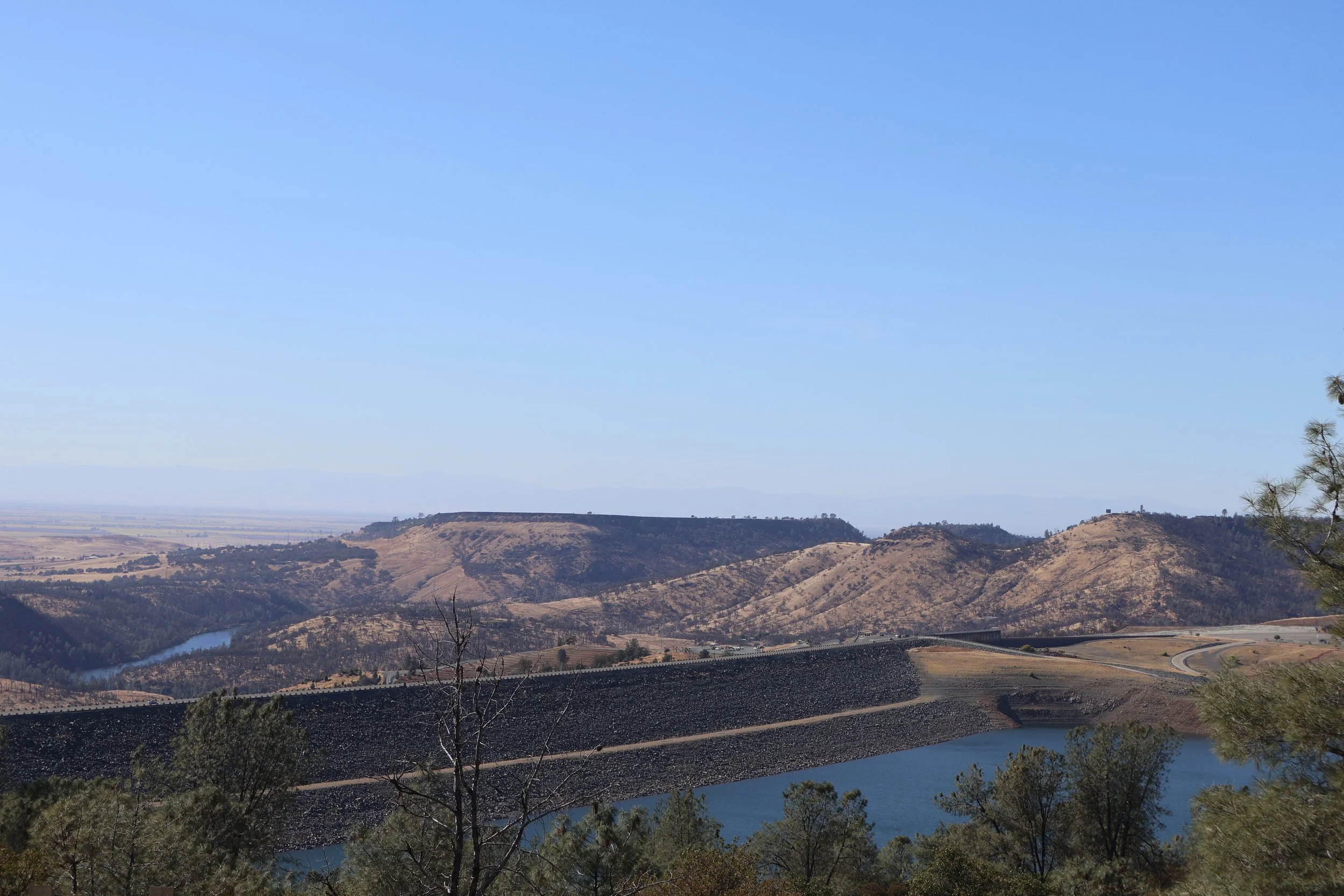
More than half a century ago, California made Butte County a promise: Host Oroville Dam, and the State would invest in recreation and economic opportunities to help offset the cost. The dam delivered for California. The promise to Butte County never materialized.
Today, Oroville Dam serves as the headwaters to a project that supplies water to 2/3 of Californians, while Butte County estimates it loses $20 million each year in lost property tax revenue and costs associated with hosting the facility.
Now California wants another 50-year license to operate the dam. Before FERC issues a new license, the State must restore balance to the community that has carried the financial and safety burdens for decades.
27 million
People served by the State Water Project
750,000 acres
farmland irrigated by the Project
41,000 acres
Removed from Butte County's property-tax base
$20 million/year
Estimated annual County cost of hosting infrastructure
Oroville Dam Relicensing: What You Need to Know
-
The California Department of Water Resources (DWR) is seeking a new long-term license from the Federal Energy Regulatory Commission (FERC) to continue operating the Oroville Facilities.
Before FERC issues a new license, DWR must address the burdens imposed on the County by the State-owned infrastructure.
-
Butte County lives with the impacts of this infrastructure every day, including public-safety responsibilities, road and service costs, and the loss of roughly 41,000 acres from the local property-tax base. Without meaningful compensation from the State, the County absorbs these costs and can’t invest that money in other areas of the community.
The financial loss, estimated at $20 million each year, combined with DWR’s failure to fulfill its recreation development responsibilities continue to negatively impact the County every day.
-
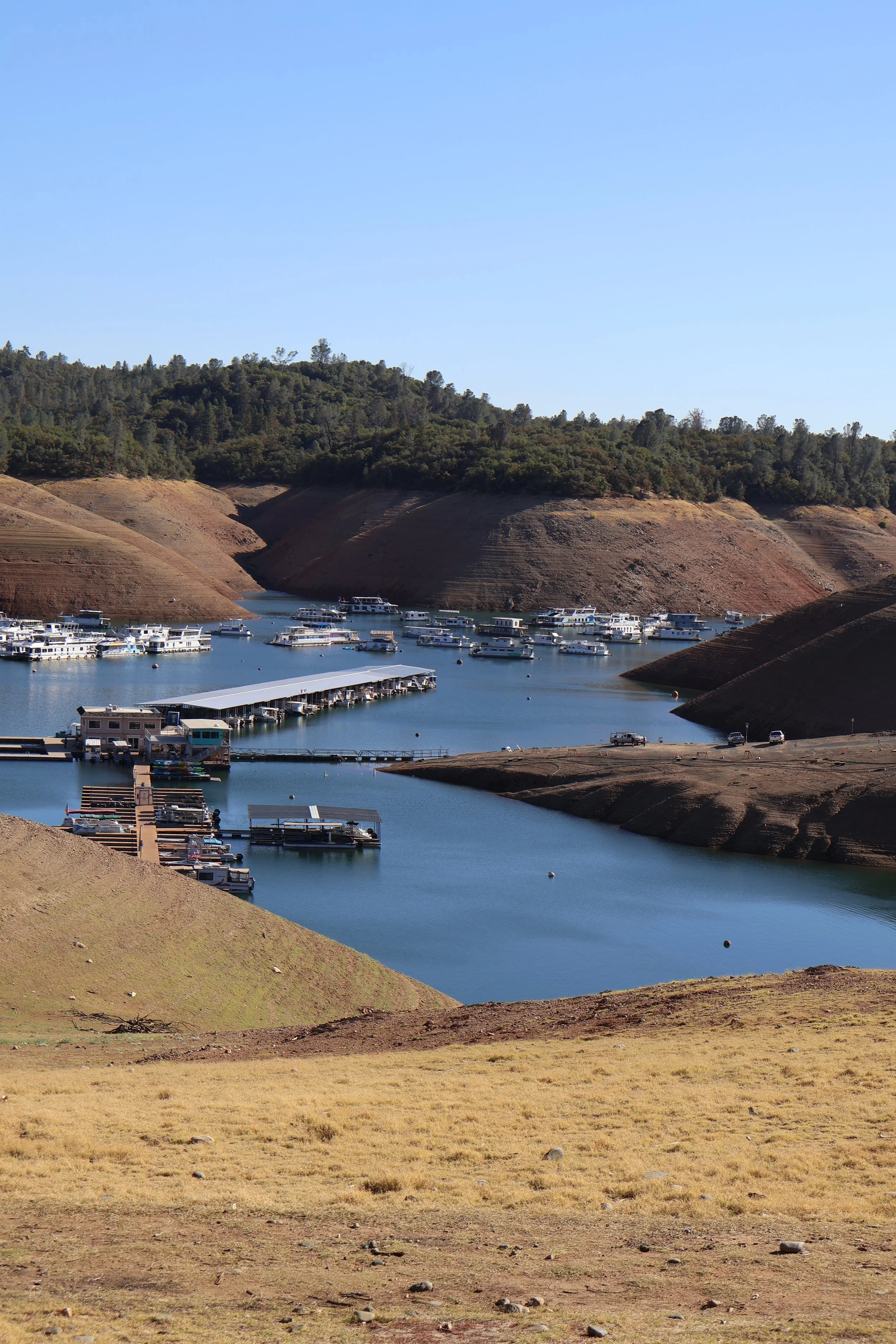
Recreation: Complete the promised recreation development.
Local fiscal impacts: Address the County’s financial impacts associated with hosting the project.
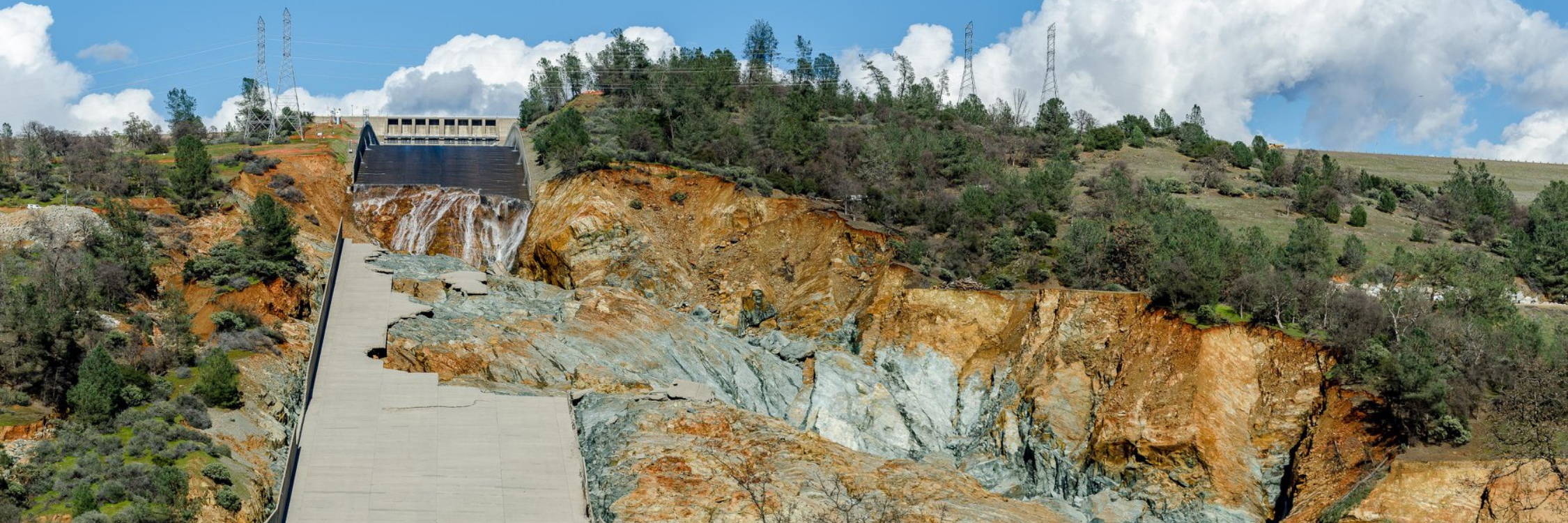
Public safety and infrastructure: DWR’s neglect and operational lapses of the dam led to life-threatening incidents. It is imperative that Butte County receive robust safety assurances to protect its community.
Evidence & Documents